
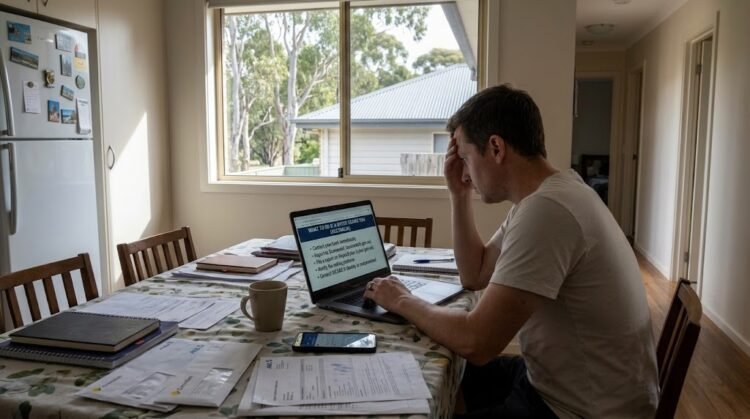
What to do if a buyer scams you australia: start here
If you’re reading this, something probably already went wrong. A buyer paid you (or claimed to), the item is gone, and now the money isn’t where it should be. Knowing what to do if a buyer scams you australia starts with staying calm and gathering evidence before you do anything else. Screenshot every message, every payment notification, and the buyer’s profile before they can delete or block you. This paper trail is the single most useful thing you’ll have when you report the scam later.
Common tricks sellers fall for
Before working out what to do if a buyer scams you australia, it helps to recognise the pattern you’re dealing with. The most common version is the fake payment screenshot — a buyer sends a doctored image that looks exactly like a bank transfer or PayPal confirmation, then pressures you to ship immediately “before the payment clears.” Another is the overpayment scam, where a buyer sends a cheque or transfer for more than the asking price and asks you to refund the difference, only for the original payment to bounce. A third is the chargeback scam, where a buyer pays legitimately through PayPal or a card, receives the item, then disputes the charge claiming it never arrived or wasn’t as described.
Stop the shipment if you can
If you haven’t sent the item yet, don’t. This is the fastest fix for what to do if a buyer scams you australia — many problems disappear the moment you simply hold the goods until payment is genuinely confirmed in your own account, not in a screenshot the buyer sent you. Log into your actual bank or PayPal account directly, never through a link the buyer provided, and confirm the funds have actually cleared. If you’ve already shipped with a tracked courier like Australia Post or a private courier, contact them immediately — some services allow you to intercept or redirect a parcel still in transit.
Report it to Scamwatch and the ACCC
A crucial part of knowing what to do if a buyer scams you australia is reporting the incident properly, even if you think nothing will come of it. The Australian Competition and Consumer Commission’s Scamwatch collects reports on exactly this kind of fraud and uses them to warn other sellers and flag patterns. Reporting also creates an official record, which matters if you later need to dispute a chargeback or make an insurance claim. For identity theft or more serious fraud, you can also lodge a report with ReportCyber, run by the Australian Cyber Security Centre.
Dispute a false chargeback
If a buyer paid through PayPal, a card, or Afterpay and later disputes the transaction after receiving the item, you have the right to fight back. This is one of the more frustrating situations covered under what to do if a buyer scams you australia, because the payment provider usually sides with the buyer by default. Gather your tracking number, proof of delivery, and the original conversation where the buyer confirmed receipt. Submit this evidence directly through PayPal’s Resolution Centre or your card provider’s dispute process. Acting within the response window — often only 10 days — is critical.
Know your rights under Australian Consumer Law
Many sellers assume consumer protections only run one way, favouring buyers. In reality, understanding what to do if a buyer scams you australia also means knowing where the law protects you. The Australian Consumer Law sets out obligations for both parties in a sale, and deliberately misleading a seller about payment can constitute fraud under state criminal law, not just a civil dispute. If the amount involved is significant, a report to your local police station or Crime Stoppers Australia is worth filing alongside your Scamwatch report.
Use the marketplace’s own protections
If the sale happened through a specific platform, check what protections it already offers before escalating elsewhere. Sites like eBay and Gumtree have seller-protection policies, and most will investigate a confirmed scam attempt reported with evidence. Platforms built specifically around safer local trading, like Sellbuy.Deals, also include safety guidance and verified-buyer features designed to reduce exactly this risk, so it’s worth comparing how your current platform handles disputes against what a seller-focused marketplace offers. Working out what to do if a buyer scams you australia is far easier when the platform you’re using actively supports sellers rather than treating every dispute as neutral.
Protect yourself for next time
Once the immediate situation is handled, it’s worth building habits that make this less likely to happen again. Always confirm payment inside your own banking app, never trust a screenshot, and avoid releasing goods until funds have genuinely settled — bank transfers can take 1-2 business days to clear even when they appear “pending” successfully. Meeting buyers in person for high-value items, using tracked shipping with signature confirmation, and sticking to platforms with built-in buyer verification, such as Sellbuy.Deals, all reduce your exposure. The more you understand what to do if a buyer scams you australia before it happens, the less power a scammer has when they try it on you.
Final thoughts
Being scammed as a seller is stressful, and it’s easy to feel embarrassed or assume there’s nothing to be done. There usually is. Document everything, report through the right channels, dispute unfair chargebacks with evidence, and lean on marketplaces that take seller protection seriously. That’s the real answer to what to do if a buyer scams you australia — not just recovering one bad sale, but making sure the next one never gets the chance to go wrong.

