
What Buyers Mean When They Offer a Bank Transfer
You’ve listed an item, a buyer messages you, and instead of cash or a payment app, they ask to send a bank transfer. If you’ve found yourself typing “should I accept a bank transfer when selling second hand” into a search bar, you’re not alone. It’s one of the most common questions sellers ask, because bank transfers feel official but can also be used to pull off convincing scams.
Why People Ask Should I Accept a Bank Transfer When Selling Second Hand
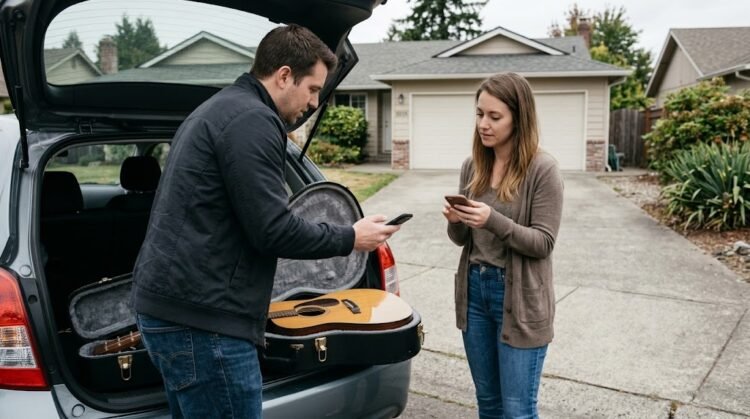
The honest answer is: it depends on who’s asking and how the deal is structured. A genuine local buyer who meets you in person and transfers the money while standing in front of you is very different from a stranger who insists on paying remotely before collection. When you’re deciding should I accept a bank transfer when selling second hand, the context of the transaction matters just as much as the payment method itself.
The Real Risks Behind Bank Transfer Scams
Scammers often fake payment confirmation screenshots, send money and then reverse the transfer through their bank, or claim they’ve paid when they haven’t. Because transfers can take time to clear, you might hand over your item before the funds actually settle in your account. This is exactly why so many sellers pause and ask should I accept a bank transfer when selling second hand before agreeing to it. Reputable guides on consumer protection, such as those published by Citizens Advice, consistently warn against releasing goods before money has fully cleared.
Should I Accept a Bank Transfer When Selling Second Hand for High-Value Items?
For higher-value items like electronics, jewellery, or furniture, the stakes are higher if something goes wrong. If you’re still asking yourself should I accept a bank transfer when selling second hand for an expensive item, consider meeting at your own bank branch. You can watch the transfer confirm in real time with a teller before handing anything over. This removes almost all the risk that comes with delayed or reversed payments.
Safer Alternatives to Consider
Cash remains the simplest option for in-person sales, as it clears instantly and leaves no room for reversal. If you prefer digital payments, look at platforms with built-in buyer-seller protection rather than a plain transfer. On sellbuy.deals, browsing our safety tips for sellers can help you compare payment options before you commit to one. Many sellers who once wondered should I accept a bank transfer when selling second hand end up preferring these protected methods simply because they reduce the back-and-forth of waiting for funds to clear.
How to Protect Yourself If You Do Accept a Transfer
If you decide a bank transfer is the right call, there are a few steps that make it safer. Ask the buyer to send the payment before you meet, then confirm the money has actually landed in your account — not just that a confirmation email arrived. Screenshots can be faked, so always check your own banking app directly. If you’re still unsure should I accept a bank transfer when selling second hand in a particular situation, it helps to only release the item once your balance has visibly increased, not before.
Our guide to meeting buyers safely covers where to meet, what to bring, and how to spot a buyer who’s stalling or pressuring you. Pairing a secure payment method with a safe meeting location covers both halves of the transaction.
Red Flags That Mean You Should Say No
Certain patterns should make you cautious. If a buyer offers to pay more than your asking price “by mistake” and asks for the difference back, that’s a classic overpayment scam. If they pressure you to ship the item immediately after sending a transfer, before you’ve confirmed the money cleared, slow down. And if they refuse to meet in person at all for a local sale, that’s worth questioning too. Each of these scenarios is a good moment to revisit whether you should accept a bank transfer when selling second hand to that particular buyer, rather than treating every transfer the same way.
The UK Finance Take Five campaign has useful, regularly updated examples of these tactics if you want to see how they typically play out in real conversations.
My Final Advice
So, should I accept a bank transfer when selling second hand? In most cases, yes — as long as you confirm the money has genuinely arrived in your account before you hand over the item, and ideally you’re dealing with someone local who you can meet face to face. The payment method itself isn’t inherently risky; it’s the timing and verification around it that make the difference. If anything about the buyer’s behaviour feels rushed or unusual, trust that instinct and ask more questions, or walk away from the deal.
Before your next sale, take a look at our full listing checklist on sellbuy.deals — it covers pricing, photos, and payment methods together, so you can go into every transaction with confidence rather than second-guessing yourself mid-conversation.

