
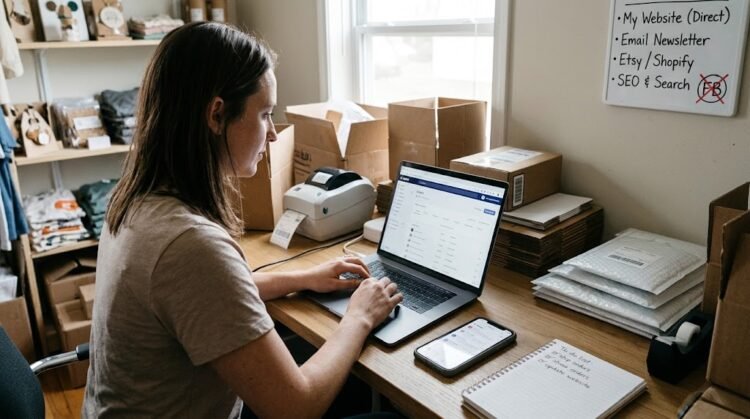
How To Sell Online Without A Facebook Account
Not everyone wants to run their shop through Meta. Maybe your account got suspended, maybe you never made one, or maybe you just don’t trust the platform with your business data. Whatever the reason, you can absolutely figure out how to sell online without a Facebook account, and you won’t be missing much. There are faster, more reliable ways to reach buyers that don’t depend on one company’s rules.
This guide walks through the real options, step by step, so you can start selling today.
Why People Look For Ways To Sell Online Without A Facebook Account
Account bans happen without warning, and appeals can take weeks. Ad costs on Facebook have also climbed, so smaller sellers often spend more than they earn back. Some people simply prefer privacy and don’t want their shop tied to a personal profile. For all these reasons, learning how to sell online without a Facebook account isn’t a workaround — it’s often the smarter long-term move. You keep control of your store, your customer list, and your pricing, instead of handing that control to a platform that can change its policies overnight.
Build Your Own Store Instead Of Relying On One Platform
The most dependable way to sell online without a Facebook account is to set up your own storefront. Platforms like Shopify, WooCommerce, and Big Cartel let you build a store in a few hours, even with no coding experience. You choose the design, set your own payment options, and own the customer relationship from day one.
Once your store is live, you’ll need simple business tools to keep things running smoothly — invoices, receipts, and basic calculators for pricing or shipping costs. You can handle all of that for free with [thebdpage.com’s invoice and business tools](internal link: your invoice tool page), which saves you from juggling separate apps while you figure out how to sell online without a Facebook account.
Use Marketplaces That Don’t Require A Facebook Login
If building a full store feels like too much right now, marketplaces are a solid middle step. Etsy, eBay, and Amazon all let you create a seller account using just an email address. None of them ask for a Facebook login, so you can start listing products the same day you sign up.
These marketplaces already have built-in traffic, which means you’re not starting from zero. Buyers search these sites directly, so you don’t need ads or a social following to get your first sale. This makes marketplaces one of the easiest entry points when you’re exploring how to sell online without a Facebook account for the first time.
Reach Buyers Through Search And Email Instead Of Social Media
Selling without Facebook means replacing its traffic with other sources. Search engines are a strong substitute, because people actively search for products when they’re ready to buy, not just scrolling for entertainment. Writing clear product descriptions and useful blog content helps your store show up in those searches.
Email is another channel worth building early. A simple sign-up form on your store, offering a discount for new subscribers, can turn one-time visitors into repeat buyers. Over time, this list becomes more valuable than any social following, because you own it outright. Combining search traffic with email is one of the most stable ways to sell online without a Facebook account, since neither depends on an algorithm you can’t control.
Accept Payments Without Needing A Facebook-Linked Account
A common worry is that payment processing requires Facebook or Instagram integration. It doesn’t. Stripe, PayPal, and Square all work independently and connect directly to your own store or marketplace listing. You can set these up with just a bank account and a government ID, no social media required.
For local or in-person sales, mobile payment apps like PayPal or Cash App also work fine without any Facebook connection. Once payments are sorted, the last piece is simply getting the word out, which search, email, and marketplaces already cover.
Promote Your Shop Without Spending On Facebook Ads
You don’t need paid ads to grow a store. Short-form video platforms like TikTok and YouTube Shorts reach new audiences without requiring a Facebook profile at all. Community forums related to your niche, such as Reddit groups or hobby forums, can also drive real buyers if you contribute genuinely instead of just posting links.
Local directories and review sites matter too, especially for service-based or handmade products. According to Shopify’s own guide on starting an online business, diversifying traffic sources is one of the biggest predictors of long-term store stability. That advice holds true whether you use Facebook or not, but it’s especially useful once you’ve decided to sell online without a Facebook account and need other channels to fill the gap.

